Watershed Information Center & Conservancy of Napa County


Share


RSS feeds RSS Feeds

Plant Communities of Napa County

Napa County is home to many distinct plant communities. As topography, climate, and soil characteristics vary throughout the county, so do the types of plants that can thrive.  For example, Douglas Fir and Coast Redwood are found in high, wet areas, whereas valley oaks, coast live oaks, and buckeyes are found in the broader, dry areas of the county.

Several species of plants in the county are endemic, which means that all members of the species are found in the county.  Napa Ceanothus and Napa Lomatium are examples of plants that are endemic to Napa County.

Mature vegetated areas are critically important to maintaining a healthy watershed. These areas provide important watershed functions:

  • critical habitat
  • groundwater recharge zones help sustain groundwater resources and summer stream flows
  • lots of vegetation upstream reduces downstream flooding risks
  • protect water quality by filtering sediments and controlling erosion
Forest

Forest

  • ~18% Napa County  Found where lots of rainfall
  • Dense tree canopy; low light at forest floor
  • Canopy dominated by Douglas fir, knobcone pine, black oak, canyon oak, bay, madrone
  • Understory dominated by ferns, poison oak, toyon, honeysuckle
Forest
iv class="tpl_section_text">

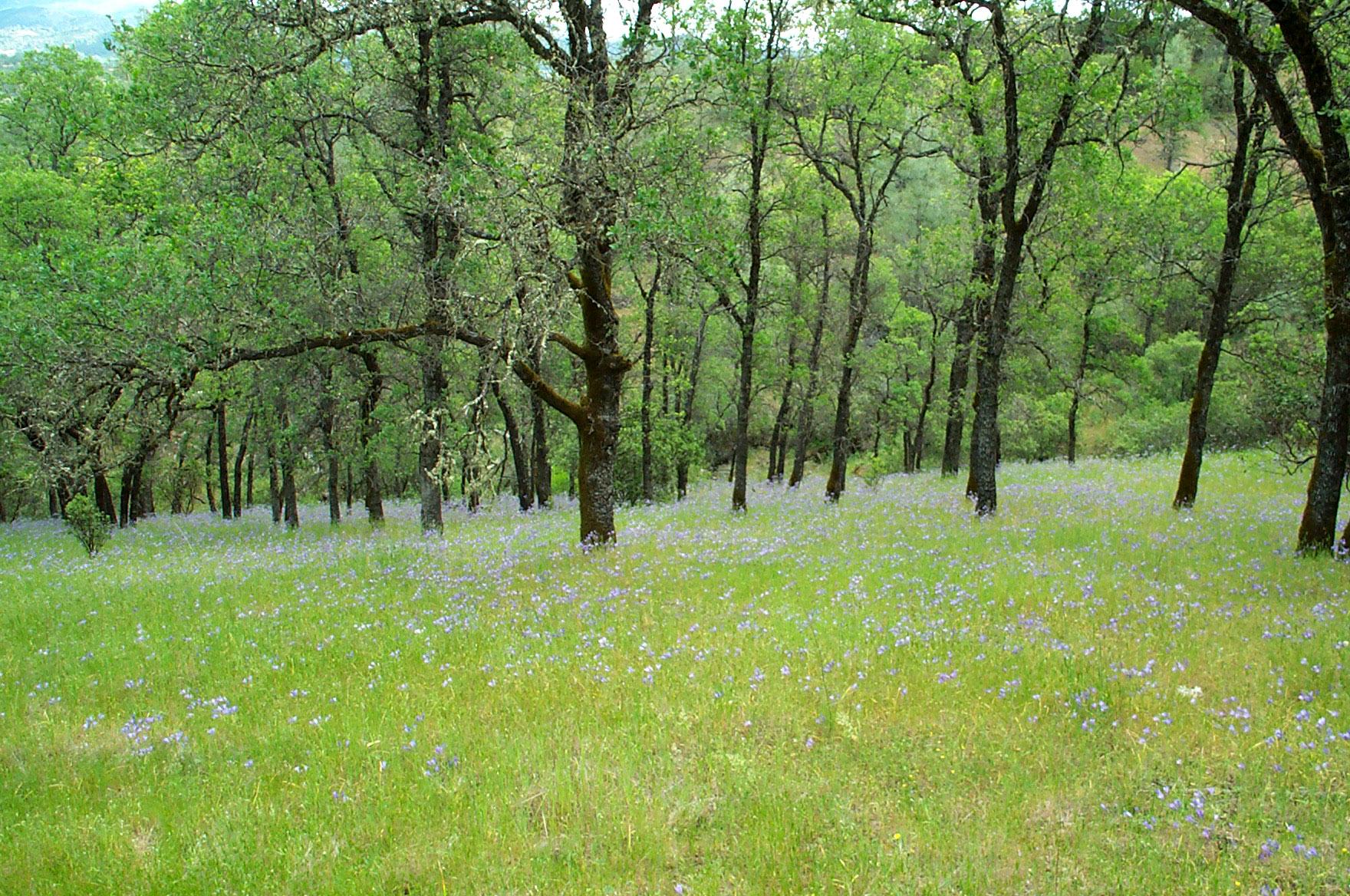
Oak woodland

  • Covers most land area in Napa County, ~40% of county
  • Found in valleys and foothills
  • Open canopy allows well-lit understory of shrubs, herbs, and grasses
  • Blue oak, black oak, foothill pine, Coast live oak, interior live oak, manzanita, toyon, California lilac, fiddleneck, popcornflower, lupine, clover, Chinese houses
chaparral

Chaparral

  • Hilly, rocky habitat with well-drained soils
  • Dense, short vegetation
  • Common on ridges and south slopes
  • Chamise, manzanita dominate
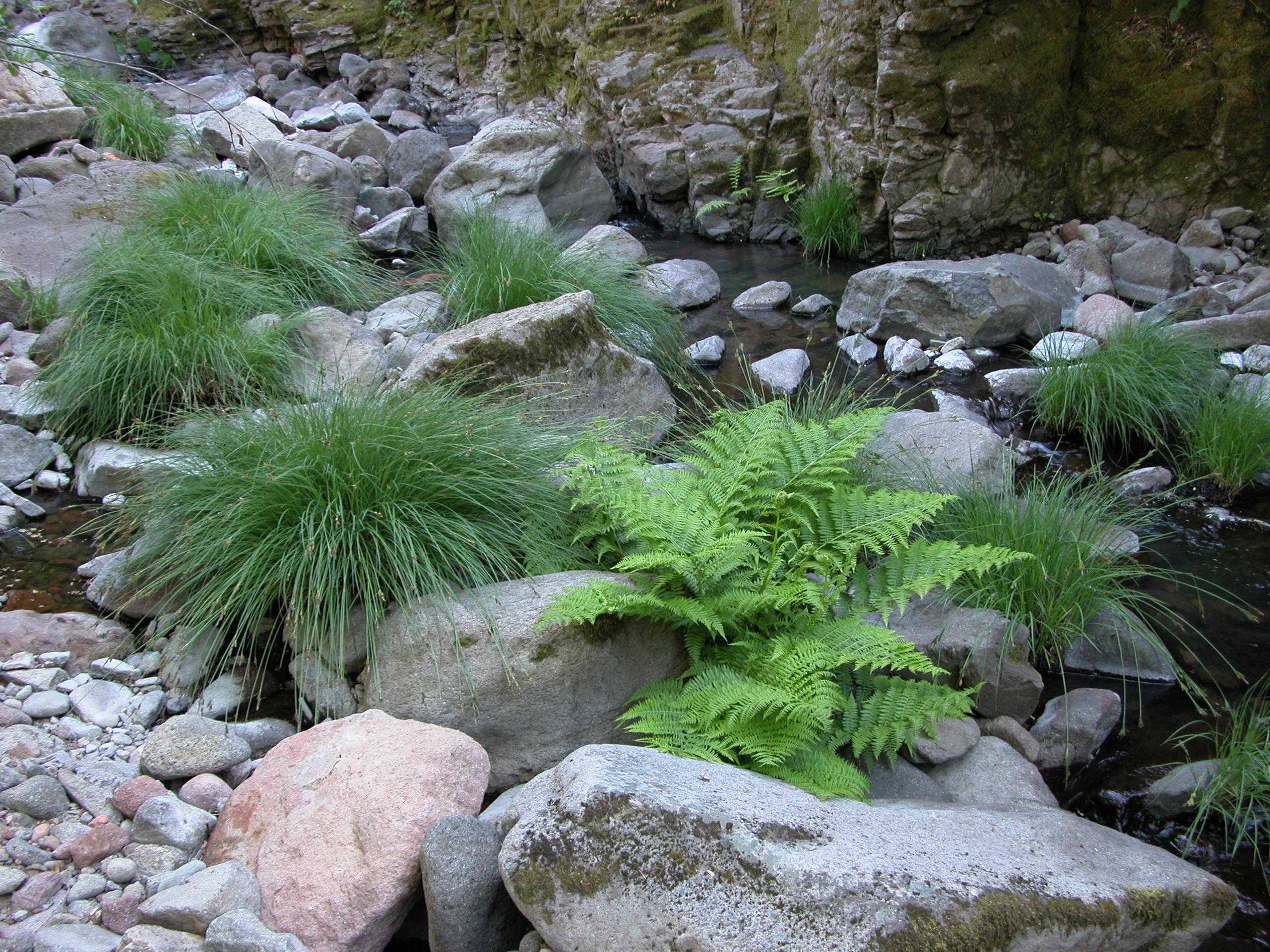
Riparian Corridor

Riparian

  • Water-loving plants
  • Dense community of trees, shrubs, and herbs
  • Ferns, leatherroot, rushes, and sedges at headwater
  • Valley oak, coast live oak, cottonwood, willows, monkeyflower at lower elevation
  • White alder, oregon ash, bay, monkeyflower at canyon bottoms
Grassland and Wetland

Grassland and wetland

  • Fine or shallow soils
  • Common to see fine scale of microhabitat diversity
  • Home of showy spring flowering annuals
  • Sedges, rushes, spike-rushes, bulrushes, and cattails common in wetlands
  • Oats, brome, filaree, poppy, owl’s clover, meadow-foam, clovers, tidy-tips common in grasslands